

Moving goods from one place to another creates risks at nearly every stage, from loading and storage to the final delivery. Accidents, cargo damage, theft, and liability claims can quickly become expensive problems for transportation businesses. Transport and logistics insurance helps companies prepare for those exposures with coverage tailored to how goods, vehicles, and people move through the supply chain.
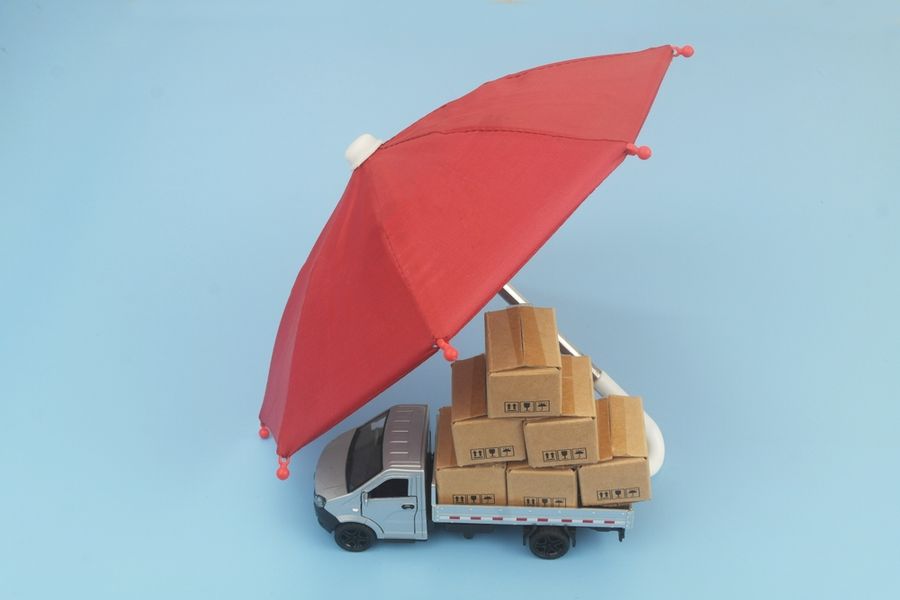
What Transport and Logistics Insurance Actually Covers
Transport and logistics insurance is a broad category of specialized coverage designed to protect businesses involved in the movement of goods or people. Unlike standard commercial policies, this type of insurance addresses the unique and often unpredictable risks that arise during transit, storage, and distribution. From accidents on the highway to theft at a loading dock, the exposures facing transportation businesses are both varied and significant (source).
One of the most important distinctions in this field is the difference between cargo insurance and freight insurance. Cargo insurance is designed to protect the value of the goods themselves while they are in transit, providing compensation to the cargo owner if products are damaged, stolen, lost, or delayed (source). Freight insurance, on the other hand, is oriented toward the financial liabilities that carriers and freight forwarders take on during transport — it shields the carrier rather than the goods themselves (source). Understanding this distinction helps business owners select the policies that best align with their role in the supply chain.
Who Needs This Type of Coverage
The transportation sector is broader than many business owners realize. Trucking companies, logistics firms, freight brokers, freight forwarders, and warehouse operators all face distinct but overlapping exposures. Large domestic and multinational fleet operators, bus companies, distribution businesses, waste haulers, and cement carriers all fall within the scope of businesses that benefit from tailored transportation insurance (source).
Warehouse operators represent a segment of the industry that is sometimes overlooked in conversations about logistics insurance. When high-value goods such as electronics or luxury items are temporarily stored, they remain vulnerable to risks including fire, theft, and accidental damage. Without proper coverage, a single storage incident could result in substantial financial losses for both the warehouse operator and the cargo owner (source).
Key Coverages That Transportation Businesses Should Consider
Modern transportation insurance encompasses far more than basic liability protection. Inland marine coverage, for example, extends protection to motor carriers, logistics companies, and freight forwarders throughout the entire journey of goods, from the point of departure all the way through to final delivery (source). This type of coverage is particularly valuable for businesses whose operations span multiple states or regions.
Cargo theft is another serious concern for transportation businesses operating across the United States. Specialized investigative services and theft response programs have helped the industry recover tens of millions of dollars in stolen goods over the years (source). Businesses that regularly transport high-value shipments should look for insurers that bring active cargo theft investigation capabilities to their coverage packages.
Workers' compensation coverage is an equally critical component of any transportation insurance program. The physical demands and hazards associated with driving, loading, and warehousing create significant injury risks for employees. Proactive managed care features, such as those designed to accelerate return-to-work timelines, detect fraudulent claims, and manage litigation, can reduce long-term costs for transportation employers while supporting injured workers more effectively (source).
The Growing Risk Environment for U.S. Transportation Companies
Auto liability claims within the transportation industry have been increasing, placing pressure on trucking and logistics companies to maintain strong safety programs, address the ongoing shortage of qualified drivers, and navigate an increasingly complex litigation landscape (source). These evolving challenges make it more important than ever for businesses to work with insurers that understand the specific exposures involved.
Beyond individual policies, risk consulting services play an important role in helping transportation businesses identify and reduce costly exposures before they result in claims. Insurers with dedicated risk engineering teams, operating across national or global networks, are better positioned to help clients build proactive safety programs that lower both the frequency and severity of incidents (source). For businesses looking to manage long-term insurance costs, prevention is just as important as the coverage itself.
The sheer scale of commercial road transport in the United States underscores why robust coverage is essential. Motor vehicles log an enormous number of miles transporting goods and passengers every single year, and every mile represents a potential exposure for the businesses behind the wheel (source). Affordable business insurance in the transportation sector is not just about finding the lowest premium. It is about securing coverage that is comprehensive enough to protect against the full range of real-world risks.
Why You Should Learn More About Transport and Logistics Insurance Today
Transportation and logistics businesses operate in an environment where a single uncovered incident can threaten years of hard work. The right insurance program, one that addresses cargo value, carrier liability, worker safety, and theft exposure, provides a financial foundation that allows businesses to recover and move forward. Affordable business insurance for this industry is not a one-size-fits-all product; it requires careful evaluation of the specific roles a company plays in the supply chain and the types of goods it handles.
Consulting with a qualified insurance professional who specializes in transportation coverage is one of the most effective steps a business owner can take to ensure that no critical gap goes unaddressed. Investing time in understanding available coverage options is an investment in the long-term stability of any transportation or logistics operation.
Sources
IRU overview of transport and logistics insurance types and coverage needs
Travelers commercial transportation insurance solutions for carriers and logistics firms
Chubb tailored insurance products for large transportation fleets and logistics companies