

Dental implant research continues to evolve as scientists look for better ways to restore missing teeth and manage complications surrounding implants. Clinical trials are an important part of that process, but participating involves more than simply signing up for an experimental treatment. Understanding what clinical studies involve can help prospective volunteers decide whether taking part is worth considering.
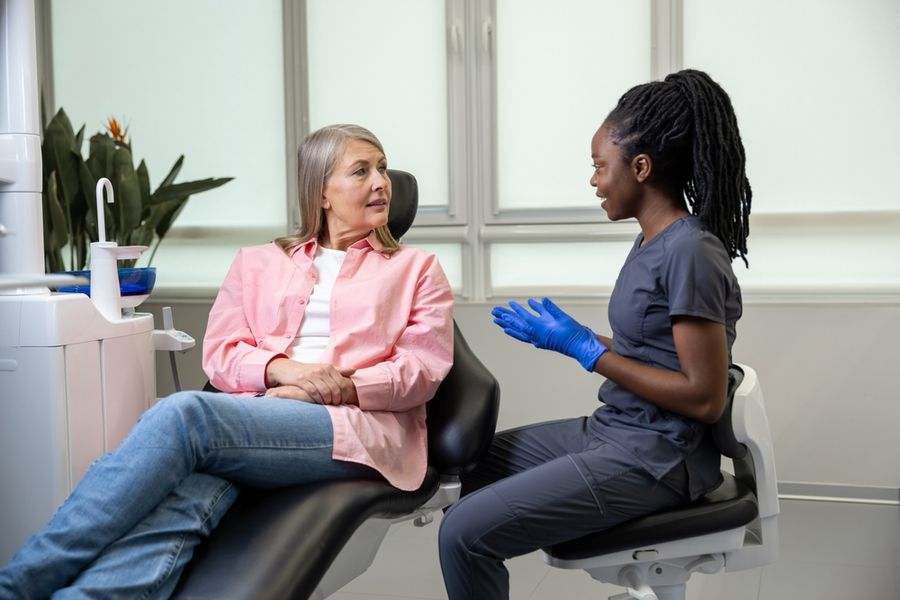
What Dental Implant Clinical Trials Actually Are
Clinical trials are structured research studies designed to explore new or improved methods of treating dental conditions. Participants volunteer their time and contribute firsthand data that helps scientists develop better approaches to oral health. The knowledge gained from each study shapes the future of dental medicine in meaningful ways.
The Role Volunteers Play in Advancing Dental Science
Volunteers are not passive participants in clinical research. Their involvement directly enables scientists to identify better methods for treating and preventing oral health conditions. As Indiana University School of Dentistry describes, volunteers play an important role in helping researchers develop new and improved dental treatments and better ways to provide dental care (source).
Without willing participants, dental researchers cannot generate the real-world data necessary to move discoveries from the laboratory into clinical practice. Each person who volunteers contributes to a body of evidence that may benefit patients for generations. This dimension of participation often resonates with individuals who want their involvement to carry purpose beyond their own immediate concerns.
Personal Benefits That Come With Participation
Beyond contributing to science, participants in dental clinical trials often receive direct personal advantages. Free dental examinations and professional cleanings may be among the benefits that volunteers may receive during the course of a study (source). For individuals who have limited access to regular dental care, these services carry genuine value.
Compensation is another practical consideration. Most dental clinical studies include payment to participants for the time they dedicate to the research process (source). This structure acknowledges that volunteering requires real investment, and it makes participation more accessible to people across different financial circumstances.
Participants also gain direct access to dental professionals conducting cutting-edge research. This kind of access can provide insights into emerging treatments and allow participants to ask informed questions about their own oral health. Being part of an active research environment connects individuals to the front lines of dental science in a way that routine dental visits typically do not.
Who Typically Qualifies for These Studies
Eligibility for dental clinical trials generally centers on overall health status and specific criteria relevant to each study's focus. Most studies seek individuals who are in good general health and who satisfy particular requirements tied to the nature of the research (source). These requirements exist to ensure that data collected is accurate and meaningful.
Because each study carries its own parameters, a person who does not qualify for one trial may be a strong candidate for another. Interested individuals are encouraged to consult directly with dental schools or research institutions, which often serve as legitimate hubs for ongoing studies. The NIDCR also recommends contacting dental schools within one's state as a starting point for finding accessible dental care and research opportunities (source).
Understanding qualification criteria ahead of time helps set realistic expectations and prevents confusion about what a given study can offer. Transparency from researchers about eligibility is a hallmark of legitimate, ethically conducted clinical trials.
Risks and Informed Consent Before Joining
Participating in a dental implant clinical trial can involve risks as well as potential benefits. Depending on the study, participants may experience discomfort, side effects, additional dental procedures, or outcomes that researchers cannot fully predict in advance. A legitimate study should explain reasonably foreseeable risks, possible benefits, treatment alternatives, the procedures involved, and how long participation is expected to last before a person agrees to enroll.
That information is provided through the informed-consent process, which is meant to help potential participants decide voluntarily whether a study is right for them. Participation is not a commitment that someone must continue regardless of circumstances; research participants generally have the right to stop taking part without penalty or losing benefits to which they would otherwise be entitled. Asking about possible risks, follow-up visits, costs, compensation, alternatives, and what happens if complications occur can help someone make a more informed decision before enrolling.
The Broader Impact of Clinical Research on Oral Health
Every approved dental treatment in use today passed through a research and trial process before reaching patients. Clinical research involvement helps uncover better ways to treat, prevent, and understand human disease (source). That progression from hypothesis to verified treatment depends entirely on the participation of real individuals willing to engage with the process.
Dental implant science, in particular, continues to evolve. Researchers are examining factors such as implant longevity, integration with bone tissue, patient comfort, and procedural refinement. Advances in any of these areas have the potential to make implant-based dental restoration more effective and accessible for a larger portion of the population. Participants in relevant studies contribute directly to that trajectory.
Why You Should Learn More About Dental Clinical Trials Today
Joining a dental implant clinical trial offers a dual opportunity: contributing meaningfully to the science of oral health while potentially receiving professional dental care and compensation in return. These studies depend on the willingness of real people to participate, and their outcomes shape the treatments available to future patients.
Anyone considering participation should verify the legitimacy of any trial through established institutions such as dental schools or recognized research bodies, ensuring their involvement is both safe and impactful. Staying informed about what legitimate studies offer (and what they do not) puts prospective volunteers in a stronger position to make thoughtful, well-grounded decisions about their involvement in dental research.