

A roofing problem can quickly become more expensive when repairs are poorly diagnosed or badly executed. Choosing a contractor therefore involves more than comparing prices or finding someone who can start immediately. South African homeowners should look at experience, relevant credentials, insurance and compliance documents, references, written quotations, and the quality of the proposed repair before agreeing to any roofing work.
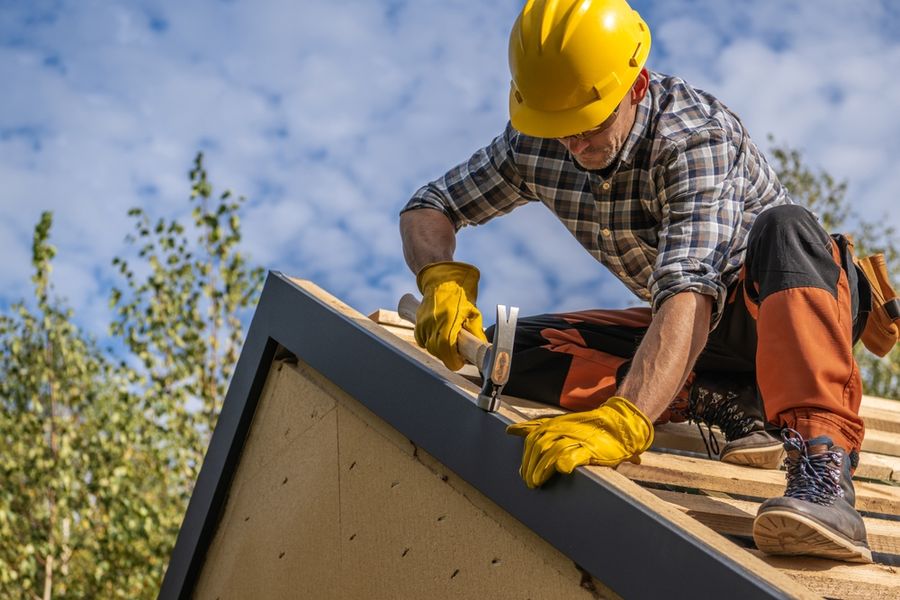
Check the Contractor’s Credentials and Track Record
There is no single general roofing licence that every South African roofer must hold, so the credentials worth checking depend partly on the type of project. If the roofing work forms part of the construction of a new home, the home builder must be registered with the National Home Builders Registration Council. Homeowners can verify a builder’s registration through the NHBRC’s online services before construction begins (source).
For repair, waterproofing, or renovation work on an existing property, experience and industry standing become particularly important. Ask how long the contractor has operated, request references from recent clients, and look for previous projects involving a similar roof type. Master Builders Association Western Cape advises homeowners to check contractor references before appointing someone for building or renovation work (source). Membership in an organisation such as Master Builders or the Damp-Proofing & Waterproofing Association of Southern Africa can provide another useful credibility check, although membership should not replace your own research.
Ask for Insurance and Compliance Documents
Roofing work involves people working at height and around valuable property, so homeowners should ask what insurance and employment-related cover the contractor carries. Where a contractor employs workers, a current Compensation Fund Letter of Good Standing is an important document to request. South Africa’s Department of Employment and Labour states that parties using contractors should obtain a Letter of Good Standing to confirm that the contractor is registered and up to date with required assessments (source).
It is also sensible to ask whether the contractor carries appropriate public liability and contract insurance for the proposed work. Master Builders guidance recommends that homeowners work with reliable contractors and use formal contractual arrangements rather than relying on informal promises (source). Before signing anything, confirm that documents are current and apply to the business actually carrying out the job rather than simply accepting a logo or membership claim on a quotation.
Compare Detailed Written Quotations
A useful roofing quotation should explain far more than the final price (source). It should identify the areas being repaired or replaced, specify the materials and products to be used, explain whether old materials will be removed, and state what waterproofing, flashing, gutter, or related work is included. Master Builders recommends comparing detailed written quotations from reputable contractors rather than relying on broad price-per-square-metre estimates (source).
The agreement should also cover expected timelines, payments, responsibilities, and what happens if additional damage is discovered once work begins. Any changes to the original scope and price should be agreed to in writing. Master Builders South Africa provides standard forms of construction contract that can help create clearer responsibilities and reduce the risk of disputes (source). A quote that is unusually vague or significantly cheaper than the others deserves closer scrutiny rather than automatic acceptance.
Make Sure the Roof Is Properly Assessed
A contractor should understand the cause of a problem before recommending a solution. Water appearing on a ceiling, for example, does not necessarily mean the point directly above it is where moisture first entered the roofing system. Depending on the problem, an assessment may need to include roof coverings, flashings, waterproofing, gutters, joints, penetrations, and surrounding areas that could be contributing to water entry.
For waterproofing work, homeowners can also check whether a contractor belongs to DWASA. The association says full members must demonstrate practical industry experience and agree to its membership conditions and standards. DWASA can also provide details of approved contractors, assist consumers with comparing quotations, offer technical guidance, and act as a first-line mediator in certain disputes involving members (source). Those safeguards can be valuable when waterproofing forms a major part of the roofing project.
Review Guarantees Before Work Starts
A guarantee is only useful when its terms are clear. Ask the contractor to explain in writing what workmanship is covered, how long the guarantee lasts, which materials carry separate manufacturer warranties, and what could invalidate the cover. Homeowners should also know who is responsible if the problem returns and whether follow-up work carries any additional charge.
For a newly built home enrolled with the NHBRC, specific consumer protections apply. The NHBRC says registered home builders are responsible for roof leaks linked to workmanship, design, or materials when qualifying problems are reported within the first year after occupation. New-home enrolment also provides other protections and inspection processes under the NHBRC framework (source). Those protections should not be confused with the private workmanship guarantees offered for ordinary roof repairs on existing homes, so homeowners should always understand which type of cover applies.
Choosing a Roofer With Confidence
Choosing a roofing contractor in South Africa comes down to verifying what sits behind the quotation. Check the contractor’s experience and references, confirm relevant registrations where they apply, ask for current insurance and Compensation Fund documentation, and insist on a detailed written scope of work. A careful assessment of the roof should come before major repairs are recommended, while guarantees and payment terms should be clear before work begins.
Price remains important, but it should be compared alongside materials, experience, proposed repairs, warranties, and accountability. Taking time to compare contractors and documentation before anyone starts work can reduce the risk of misunderstandings, incomplete repairs, and unexpected costs while giving homeowners a clearer idea of exactly what they are paying for.